New - 1 Hour Ago
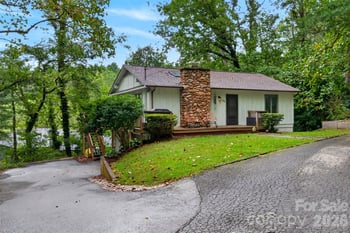
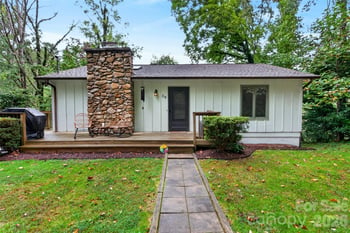
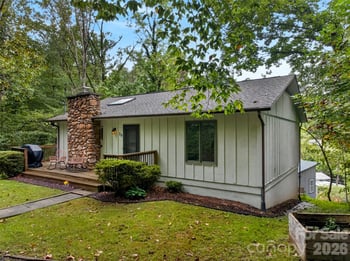
$550,000
Active
3
Beds
3
Baths
1450
Sqft
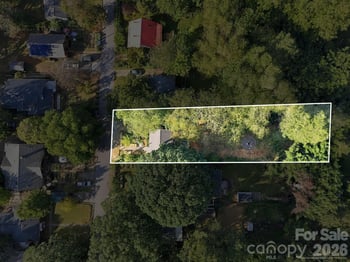
0.35
Acres
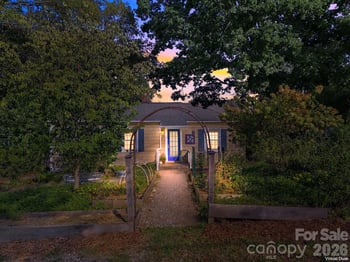
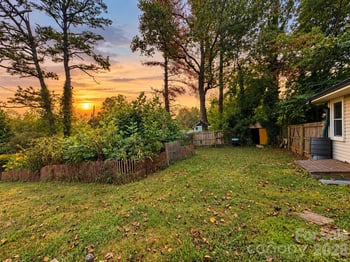
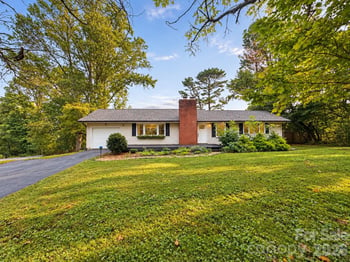
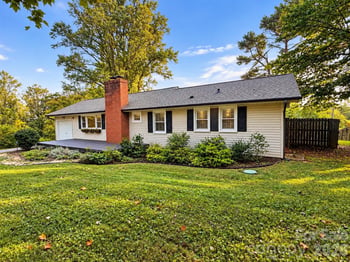
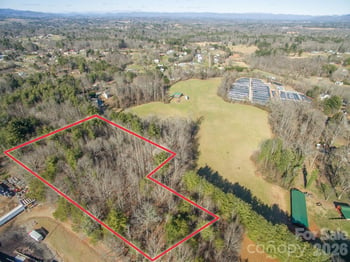
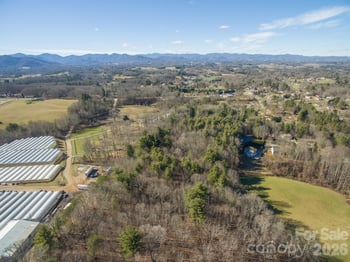
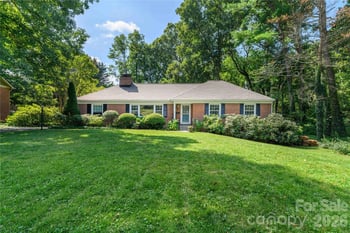
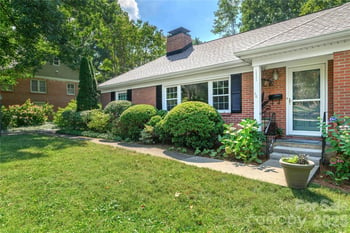
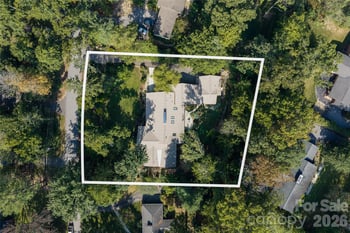
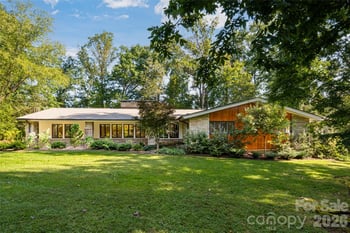
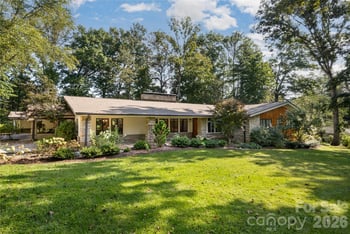
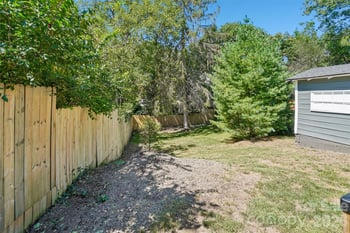
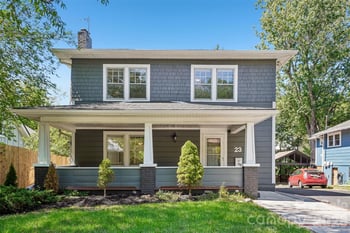
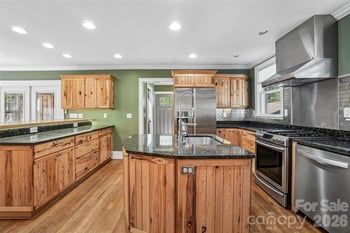
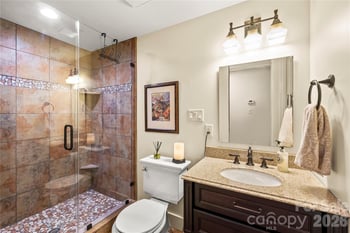
39 Spooks Branch Extension, Asheville, NC 28804
MLS#: CAR4425743




By Justin Grogan | Asheville Real Estate Advisor
Every year, I help retirees from all over the country make the move to Asheville. Some are escaping harsh winters in the Midwest. Others are leaving crowded metropolitan areas on the East Coast. Many come from Florida looking for cooler summers and four distinct seasons.
While everyone's story is different, I hear many of the same themes over and over again.
They're not just looking for a new house.
They're looking for a different way of life.
After decades of work, commutes, deadlines, and raising families, retirement offers an opportunity to slow down and prioritize the things that matter most—health, family, hobbies, travel, friendships, and enjoying each day instead of racing through it.
That's exactly where Asheville seems to resonate with so many people.
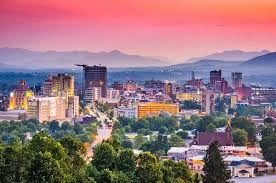
Nestled in the heart of the Blue Ridge Mountains, Asheville offers a unique combination of natural beauty, mild weather, outdoor recreation, excellent healthcare, and a vibrant cultural scene that few cities its size can match. It's large enough to provide the amenities retirees want but small enough to avoid many of the headaches that accompany life in a major metropolitan area.
Of course, Asheville isn't perfect, and it certainly isn't the right fit for everyone. But for many retirees, it checks an incredible number of boxes.
If you're considering retiring to Asheville—or you're simply curious about why so many people are making the move—here are the biggest reasons retirees continue choosing Western North Carolina as the place to begin their next chapter.
Retirement looks different today than it did a generation ago.
Many retirees aren't looking to sit still.
They're traveling. They're hiking. They're playing golf. They're volunteering. They're joining pickleball leagues. They're taking art classes. They're spending more time with grandchildren. They're building entirely new social circles.
Instead of slowing down completely, many people simply want to slow life down.
Asheville offers a lifestyle where everyday living feels easier without sacrificing the things that make life interesting.
It's one of the few places where you can spend your morning hiking to a mountain overlook, grab lunch at an award-winning restaurant, browse local art galleries downtown, and still be home before dinner without ever feeling rushed.
That balance is difficult to find.
One of the first things clients tell me after they've spent a few days in Asheville is, "It just feels different here."
Compared to many larger cities, everyday life simply feels more manageable. Traffic exists, but it's rarely overwhelming. Running errands doesn't consume half your afternoon. Dinner reservations don't require weeks of planning. Parking usually isn't a battle.
For many retirees, that's exactly what they're looking for.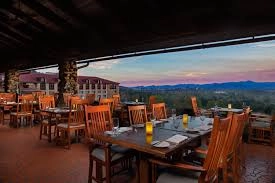
After years of calendars filled with meetings, obligations, and deadlines, there's something incredibly refreshing about living somewhere that doesn't constantly feel like it's in a hurry.
That slower pace doesn't mean there's nothing to do. There's always something happening in Asheville. The difference is that you get to choose how busy you want your life to be instead of feeling like the pace is being dictated for you.
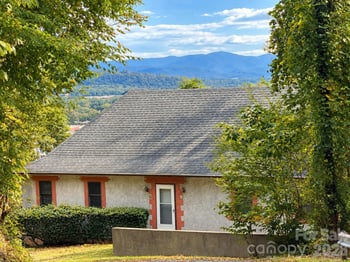
Perhaps Asheville's biggest selling point is something you simply can't build: the Blue Ridge Mountains.
After people move here, the mountains stop feeling like a vacation destination and simply become part of everyday life. You see them on your drive to the grocery store, on neighborhood walks, and even from your breakfast table.
Popular places retirees enjoy include: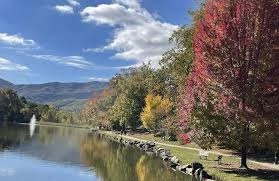
• Blue Ridge Parkway
• North Carolina Arboretum
• Bent Creek Experimental Forest
• Beaver Lake
• French Broad River Greenway
• Biltmore Estate gardens
Many of these activities are accessible year-round, making it easy to enjoy nature without planning an entire weekend around it.
Climate is another major reason retirees choose Asheville.
People move here from both the North and the South. Floridians appreciate cooler summers, while Midwesterners enjoy escaping long winters.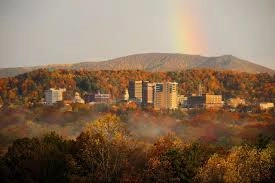
Because of Asheville's elevation, summers remain comfortable, evenings cool down nicely, and winters are generally mild compared to much of the Northeast and Midwest.
Autumn is spectacular, with vibrant foliage drawing visitors from around the country, while spring brings blooming dogwoods, azaleas, rhododendrons, and mountain laurel.
One of the biggest misconceptions people have before moving to Asheville is that there's one "retirement lifestyle."
In reality, there are dozens.
Some retirees dream of waking up to long-range mountain views with no neighbors in sight. Others want to walk to dinner, play pickleball in the afternoon, and lock the front door for three weeks while traveling without worrying about yard maintenance.
The good news is that Asheville offers all of those options.
The challenge isn't deciding whether Asheville is a good place to retire—it's figuring out which version of Asheville fits your lifestyle best.
After helping hundreds of buyers relocate to Western North Carolina, I've found that the happiest retirees aren't necessarily the ones who buy the nicest home. They're the ones who choose the neighborhood that complements the life they actually want to live.
For many retirees, one of the biggest appeals of retirement is simplicity. Less maintenance. Less yard work. More freedom.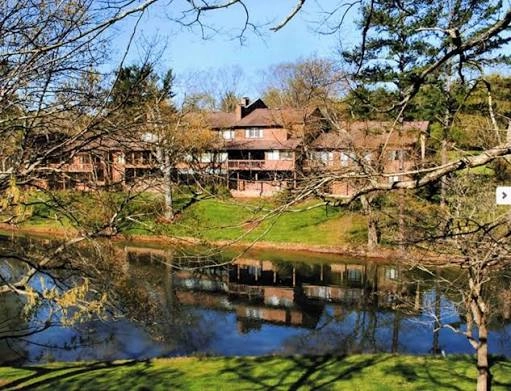
Condos and townhomes allow owners to spend more time traveling, golfing, hiking, and enjoying Asheville instead of maintaining a home. Communities often include walking trails, clubhouses, fitness centers, and neighborhood events.
Crowfields in South Asheville is one example that appeals to many retirees thanks to its mature landscaping, quiet setting, and convenient location.
Many buyers prefer neighborhoods with character instead of master-planned communities.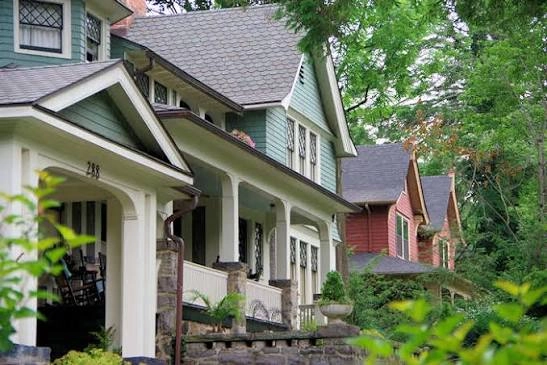 Areas like Kenilworth, North Asheville, and portions of Hendersonville feature mature trees, established homes, and convenient access to downtown, healthcare, shopping, and restaurants.
For buyers who have always dreamed of mountain living, communities around Weaverville, Black Mountain, Fairview, Leicester, and Henderson County provide privacy, larger homesites, and incredible scenery.
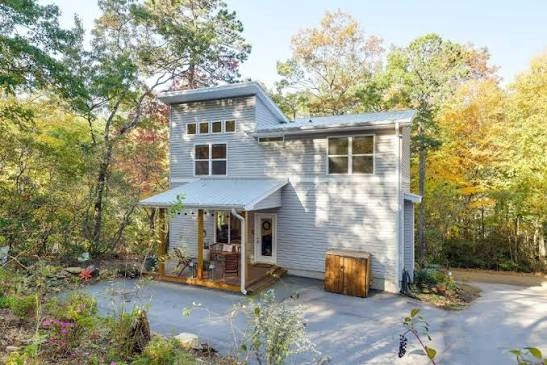
Tradeoffs can include steeper roads and longer drives to shopping, but many retirees find those compromises well worth it.
Neighborhoods like Biltmore Park and Southcliff offer trails, parks, pools, clubhouses, and community events that help newcomers quickly build friendships and enjoy an active lifestyle.
Golf remains a major draw for many retirees.
Luxury communities like The Cliffs at Walnut Cove provide championship golf and resort-style amenities, while Cummings Cove offers many of the same lifestyle benefits at a more approachable price point. Other buyers choose homes near Black Mountain Golf Club or Reems Creek Golf Club.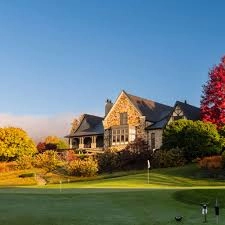
Many people expect Asheville to have mountains and outdoor recreation.
What surprises them is the city's food scene, breweries, live music, galleries, and creative energy. Asheville feels far larger than its population would suggest.
Asheville has become one of the Southeast's premier culinary destinations, with everything from farm-to-table restaurants to neighborhood cafés and internationally inspired cuisine.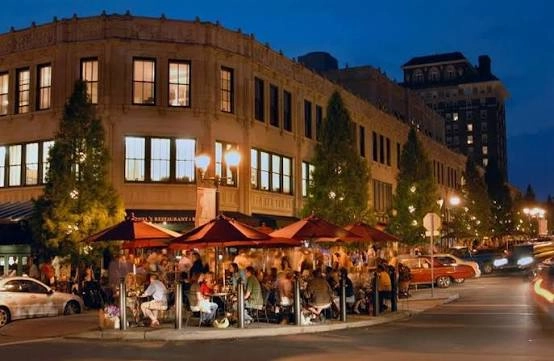
Breweries here function as community gathering places with live music, food trucks, yoga classes, trivia nights, and outdoor gathering spaces. Even non-beer drinkers often enjoy spending time there.
Downtown galleries, the River Arts District, and the Folk Art Center showcase Asheville's artistic culture and Appalachian heritage.
One of the things I appreciate most about Asheville—and something many of my clients quickly notice—is that it offers many of the conveniences of a much larger city without feeling overwhelming.
You don't have to sacrifice access to shopping, healthcare, travel, or entertainment simply because you've chosen to live in the mountains.
Instead, Asheville strikes a balance that can be surprisingly difficult to find.
You'll find familiar retailers like Whole Foods, Trader Joe's, Costco, Publix, Lowe's, and Home Depot alongside locally owned coffee shops, bookstores, farmers markets, the French Broad Food Co-op, specialty butcher shops, and family-owned restaurants. It's a blend of convenience and local character that many retirees quickly come to appreciate.
Many people assume moving to the mountains means giving up easy travel, but Asheville Regional Airport continues to expand its nonstop destinations each year.
Parking is simple, security lines are generally short, and walking from your car to the gate is refreshingly easy compared to larger airports.
For retirees who travel frequently or have family visiting often, this is a meaningful quality-of-life advantage.
Healthcare naturally becomes a larger consideration during retirement.

Mission Hospital anchors the region's healthcare system and is supported by an extensive network of primary care physicians, specialists, outpatient facilities, imaging centers, urgent care clinics, rehabilitation providers, and physical therapists.
While some highly specialized procedures may still require travel to Charlotte or Atlanta, retirees generally find they have excellent access to quality care right here in Asheville.
Lifestyle matters, but finances matter too.
North Carolina does not tax Social Security benefits, and property taxes are generally lower than what many retirees are accustomed to paying in states like New York, New Jersey, Illinois, California, and parts of Florida.
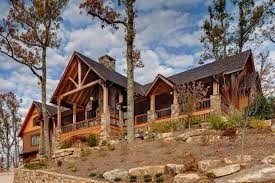
Although Asheville is no longer an inexpensive housing market, many buyers relocating from higher-cost areas discover they can enjoy more home, better views, and a higher quality lifestyle for less than they expected.
The majority of my relocation clients come from outside North Carolina.
Common relocation states include:
• Florida
• California
• Illinois
• New York
• New Jersey
• Pennsylvania
• Michigan
• Ohio
• Texas
• Virginia
Although every buyer has different motivations, they all tend to be searching for a slower pace of life and a better overall quality of life.
Outstanding convenience with shopping, healthcare, restaurants, the airport, newer homes, and several amenity-rich neighborhoods.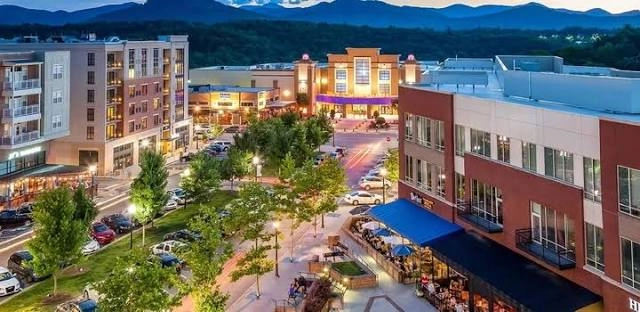
Known for mature neighborhoods, established homes, Beaver Lake, and quick access to downtown.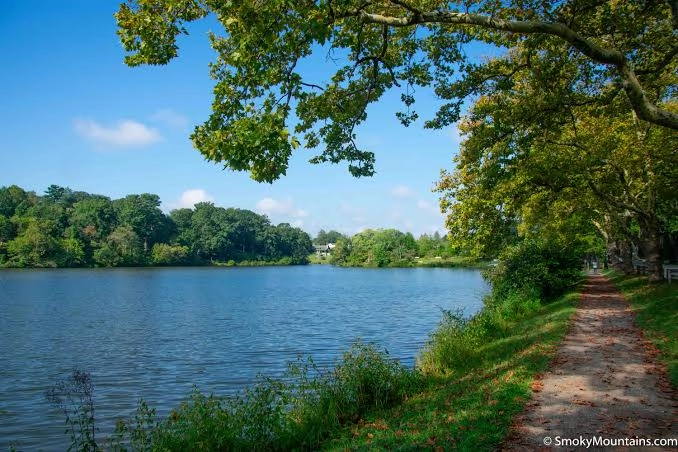
A charming small town with a vibrant Main Street just fifteen minutes from Asheville.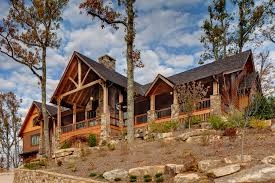
Walkable downtown, mountain charm, excellent restaurants, and easy outdoor recreation.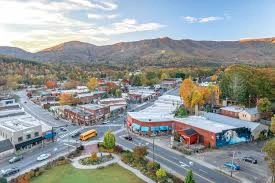
Historic Main Street, outstanding healthcare, relaxed pace, and often a bit more affordable than Asheville.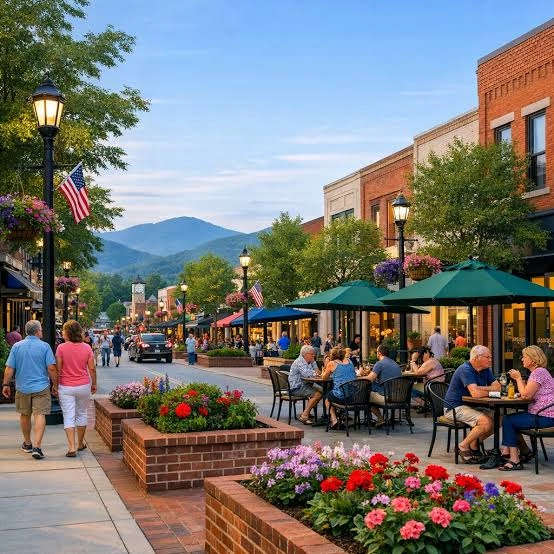
Popular communities include The Cliffs at Walnut Cove, Cummings Cove, Connestee Falls, Champion Hills, Biltmore Park, High Vista, and Reynolds Mountain. Finding the right community is often more important than finding the right house.
As much as I love living here, I don't believe Asheville is the perfect place for everyone.
One of the first conversations I have with many relocation clients isn't about convincing them to move here—it's about helping them determine whether Asheville actually fits the lifestyle they're looking for.
Every city has trade-offs, and understanding those trade-offs before you move is one of the best ways to make a confident decision.
If you thrive on the energy of a major metropolitan area, Asheville may feel too small. While there is always something happening, it simply doesn't offer the scale of cities like Atlanta, Charlotte, Chicago, or Miami.
Asheville is more affordable than many high-cost markets, but it isn't the bargain destination it once was. Most people choose Asheville because of its lifestyle—not because it's the cheapest place to retire.
Mountain living naturally comes with winding roads and elevation changes. Fortunately, there are neighborhoods ranging from flat suburban settings to secluded mountain homes.
Most residents rely on personal vehicles. Public transportation exists but is limited compared to larger cities.
If your ideal retirement means beach weather twelve months a year, you may be happier farther south.
For many people, yes. It offers a combination of outdoor recreation, four-season weather, healthcare, cultural amenities, and mountain scenery that appeals to a wide variety of retirees.
Compared to much of the Southeast, Asheville is relatively expensive. Compared to many coastal and metropolitan markets, many retirees find they receive considerably more value for their money.
Most winters include only a handful of snow events, making Asheville appealing to people who want four seasons without months of severe winter weather.
Yes. Popular communities include The Cliffs at Walnut Cove, Cummings Cove, Champion Hills, Connestee Falls, High Vista, plus neighborhoods near Reems Creek and Black Mountain Golf Club.
It depends on your priorities. Some buyers prioritize walkability, others mountain views, golf, healthcare access, or convenience to the airport.
Approximate drive times: Charlotte (2 hrs), Greenville (1 hr 15 min), Atlanta (3½ hrs), Raleigh (4½ hrs), Nashville (5 hrs).
Retirement isn't simply about buying a different house—it's about creating the kind of life you've spent decades working toward.
Whether you're looking for mountain views, a walkable neighborhood, an active golf community, or a low-maintenance condo close to everything, Asheville offers an incredible variety of lifestyles.
After helping hundreds of people relocate to Western North Carolina, I've learned that finding the right community is often even more important than finding the right house.
If you're just beginning your research—or even if retirement is still a few years away—I encourage you to spend time learning about the different towns, neighborhoods, and communities throughout the Asheville area. The earlier you begin, the easier it becomes to identify the lifestyle that's the best fit for you.
If I can help answer questions or serve as a resource along the way, I'd be happy to help.
-Justin Grogan, REALTOR and Asheville Real Estate Advisor