New - 3 Hours Ago
$969,000
Active
4
Beds
4
Baths
1519
Sqft
0.91
Acres
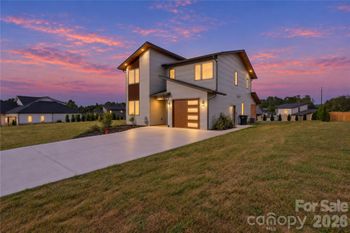
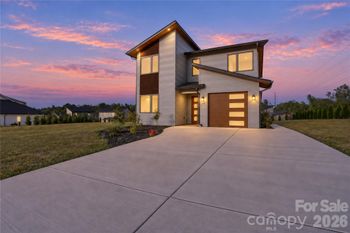
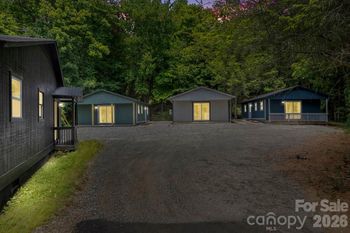
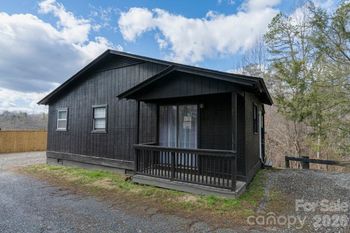
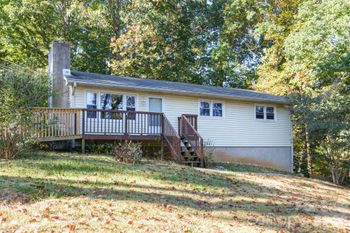
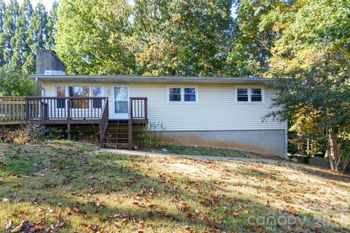
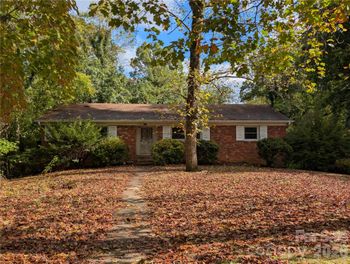
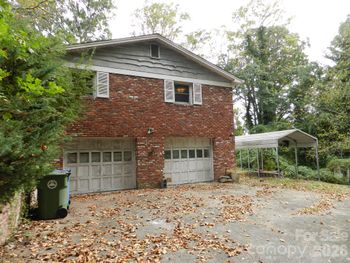
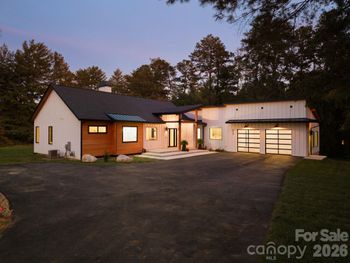
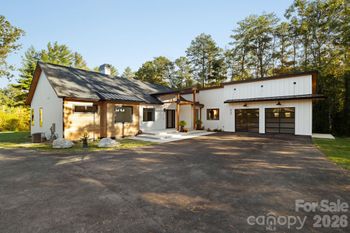
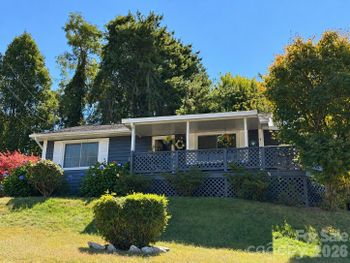
33 - 34 Grandview Ct, Asheville, NC 28806
MLS#: CAR4432507




Living in Asheville, NC: The Pros and The Cons (An Honest Look)
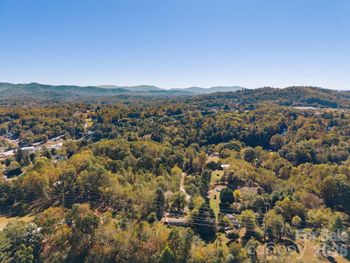
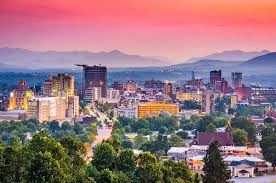 Asheville really is an incredible place to live. Nestled in the Blue Ridge Mountains of Western North Carolina, it offers stunning scenery, a vibrant creative culture, and an outdoor lifestyle that’s hard to match. It’s no surprise so many people visit Asheville and start imagining what life here might look like long-term.
But as wonderful as Asheville is, no place is perfect.
Every city has trade-offs, and before packing up and making a major move, it’s important to understand both sides — what makes Asheville so special and what challenges come with living here day to day.
I’m Justin Grogan, your Asheville Real Estate Advisor, and this guide breaks down the good and the bad of living in Asheville, NC to help you decide whether it’s the right fit for you.
The Pros: Why People Love Living in Asheville
1. The Natural Beauty of Asheville
It’s hard to overstate how much Asheville’s natural setting shapes daily life. Surrounded by the Blue Ridge Mountains, scenic views become part of your everyday routine — whether you’re commuting to work, sipping coffee on your deck, or heading out for an evening walk.
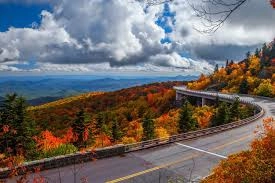
The climate strikes a great balance. Summers are warm but rarely oppressive, especially compared to much of the Southeast, and winters tend to be mild, with only occasional snow and cold snaps.
And then there’s fall — arguably Asheville’s most famous season. The mountains explode with color, the air turns crisp, and leaf-peeping becomes a weekly ritual for both locals and visitors. Even longtime residents still find themselves driving the Blue Ridge Parkway just to take it all in.
This constant access to nature naturally becomes part of daily life. Quick hikes, brewery patios tucked into the forest, and sunset views from your backyard aren’t weekend luxuries here — they’re normal.
2. Asheville’s Charm and Culture
One of Asheville’s biggest strengths is how much culture it packs into a relatively small mountain city. It feels creative, welcoming, and sophisticated — without losing its laid-back vibe.
The food scene is a standout. Asheville is home to James Beard–recognized chefs and an impressive mix of farm-to-table restaurants, casual cafés, and elevated dining. You can grab a biscuit in the morning and enjoy a multi-course tasting menu that same evening — all sourced locally.
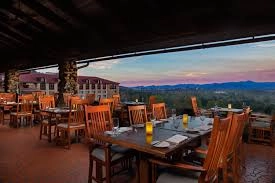
The art scene is just as strong. The River Arts District is filled with working studios where you can watch artists create pottery, paintings, glasswork, and sculpture. It’s not just art on display — it’s part of everyday life.

Then there’s the craft beer culture. Asheville consistently ranks as one of the top beer cities in the country, with well-known breweries like Highland and Wicked Weed alongside dozens of smaller, independent taprooms.

Tying it all together is a strong sense of community and craftsmanship. Farmers markets, local makers, and small businesses play a big role in the city’s identity.
Some of Our Favorite Restaurants:
Curate - Tapas and Small Plates
Chestnut - Classics done right
The Admiral - Inventive American cuisine
Tall Johns - Neighborhood Vibes
Some of Our Favorite Breweries:
Art Galleries
3. The Outdoor Lifestyle
Living in Asheville makes it almost impossible not to spend time outdoors.
Within 15 minutes, you can be hiking, mountain biking, paddling on the French Broad River, or exploring waterfalls. With access to Pisgah National Forest, DuPont State Forest, and the Blue Ridge Parkway, there are hundreds of miles of trails and endless opportunities for adventure.

What’s special is how seamlessly outdoor recreation fits into everyday life. Morning hikes before work, afternoon paddleboarding, and sunset drives along the Parkway are all common.
For many people relocating to Asheville, this balance of activity and relaxation is one of the biggest draws.
Best Waterfalls near Asheville
4. Asheville’s Wellness-Focused Community
Asheville is very much a destination city — a place people choose intentionally. Many residents aren’t originally from here, and when you ask why they moved, similar themes come up again and again.
People value health, creativity, sustainability, and community. It’s not just about being outdoors — it’s about living more deliberately.
There’s a strong emphasis on supporting local businesses, eating well, and staying connected. Farmers markets, wellness events, and community gatherings are central to daily life.
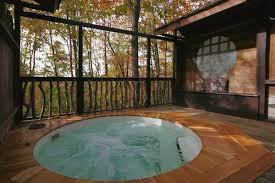
For those seeking a slower pace with more intention, Asheville’s wellness-focused culture can be incredibly appealing.
Shoji Spa - Private Spa tucked into the mountains
Asheville Salt Cave and Spa - Luxurious Spa right in town
North Asheville Tailgate Market - Best Farmer's Market in town!
The Cons: Challenges of Living in Asheville
1. Growth and Infrastructure Strain
Asheville’s mountain setting is both its blessing and its challenge. Limited flat land makes development difficult, and rapid population growth over the past decade has put pressure on infrastructure.
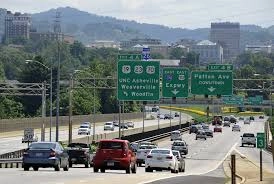
Traffic along I-26 can back up during rush hour, downtown parking can be tough on weekends, and many roads weren’t designed for today’s volume.
The city is actively working on solutions — encouraging smarter density, updating zoning, and investing in projects like the Ecusta Trail to improve regional connectivity — but growth strain is still something residents feel.
2. Cost of Living in Asheville
Asheville’s popularity has driven housing prices higher than many expect. The median home price hovers around $500,000, which can feel expensive compared to other parts of North Carolina or the Southeast.
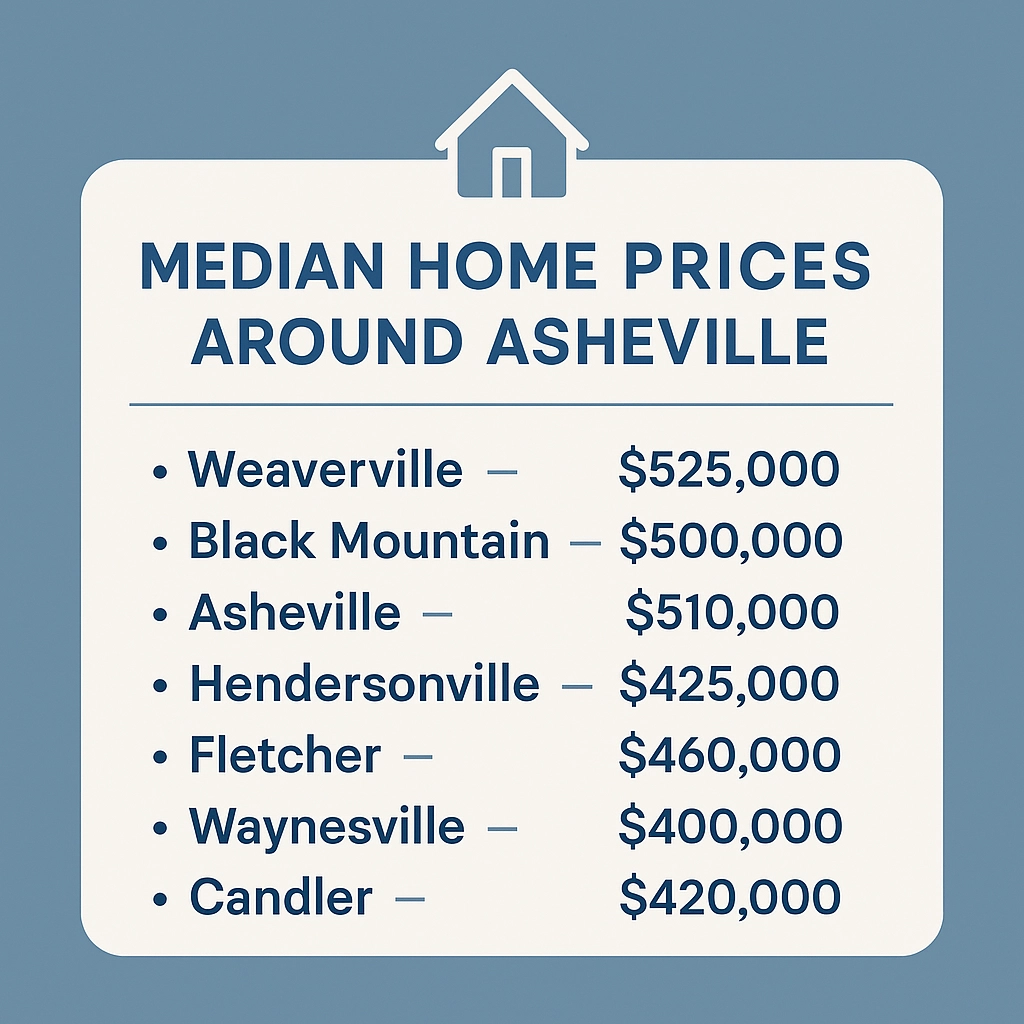
That said, affordability is relative. Buyers relocating from California, New York, or South Florida often find Asheville more reasonable for the lifestyle it offers.
The most successful buyers tend to come prepared — pre-approved, clear on priorities, and working with a knowledgeable local advisor who understands Asheville’s neighborhoods and market dynamics.
Study on Affordability in Asheville
3. A Smaller Job Market
Asheville’s economy is driven largely by healthcare, education, hospitality, and small businesses. Unlike larger cities such as Charlotte or Raleigh, it doesn’t have many corporate headquarters or regional offices.
Remote work has changed this dynamic significantly, allowing many people to bring their careers with them — but it’s still important to have a clear employment plan before relocating.
Job Growth in Healthcare and Education
4. Tourism and Crowds
Tourism is a major part of Asheville’s economy, supporting restaurants, artists, and local businesses. But it also brings crowds — especially during fall leaf season and popular festivals.
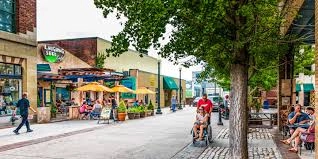
Traffic increases, restaurant wait times grow, and downtown can feel busy at peak times. Most locals accept tourism as a necessary trade-off for living in a place people genuinely want to visit.
Economic Impact of Tourism in Asheville
5. Growth vs. Identity
As Asheville grows, there’s an ongoing conversation about preserving its character. Longtime residents worry about losing the city’s soul, while newer residents welcome modernization and expanded amenities.

This tension is natural — and in many ways healthy. It reflects how much people care about Asheville’s future and want growth to happen thoughtfully.
Keeping Asheville Weird - Article
Is Asheville a Good Place to Live?
Asheville offers incredible beauty, culture, and lifestyle — but it also comes with real trade-offs.
If you’re considering moving to Asheville, the key is understanding both the good and the bad and deciding whether the balance works for you.
And if you’d like local insight or guidance as you explore your options, I’m always happy to be a resource.
I’m Justin Grogan, your Asheville Real Estate Advisor — and I’m here to help you decide if Asheville is truly the right place to call home.