


New - 15 Mins Ago
Are you considering a move to Asheville, NC? Here are 10 things you need to know before you make the move.
If you’re thinking about moving to Asheville, NC, you’re definitely not alone.
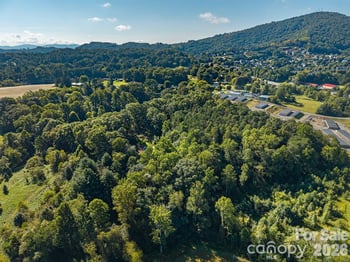
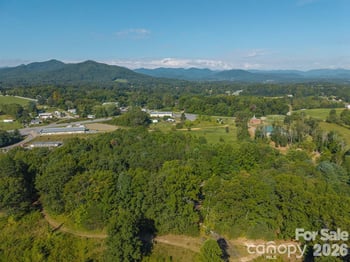
Over the last several years, Asheville has become one of the most popular relocation destinations in the Southeast. Between the Blue Ridge Mountains, mild climate, outdoor lifestyle, vibrant food scene, and slower pace of life, people from all over the country are making the move to Western North Carolina.
And it’s easy to understand why.
As someone who helps buyers relocate to the Asheville area every day, here are 10 things I think you should know before moving to Asheville, NC.
1. Asheville Is More Spread Out Than People Expect
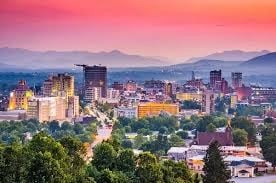 One of the biggest misconceptions people have before relocating to Asheville is assuming everything revolves around downtown.
In reality, “Asheville” often means a much broader region.
Many people who say they live in Asheville are actually living in nearby communities like:
- Fletcher
- Arden
- Weaverville
- Hendersonville
- Black Mountain
And depending on your priorities, one of those areas may actually fit your lifestyle better than Asheville itself.
Some people want walkability and historic charm close to downtown Asheville. Others prioritize mountain views, newer homes, privacy, golf communities, or easy access to the airport.
That’s why location matters so much when moving to Western North Carolina.
A 20-minute drive in this area can completely change the feel of where you live. One neighborhood may feel artsy and energetic, while another feels quiet, wooded, and secluded.
One of the biggest mistakes relocation buyers make is focusing too narrowly on Asheville city limits before exploring the broader region.
2. The Outdoor Lifestyle Is Real
 If you enjoy being outside, living in Asheville can feel like paradise.
This isn’t one of those cities where people occasionally go hiking a few times a year. Outdoor recreation is genuinely woven into everyday life here.
People structure their weekends around:
- hiking
- mountain biking
- kayaking
- fly fishing
- waterfall hunting
- camping
- trail running
- scenic drives along the Blue Ridge Parkway
One of the biggest reasons people move to Asheville is the easy access to nature. You can leave work and be on a trail in 15 or 20 minutes.
And what’s interesting is how broad the outdoor culture is here. You’ll see retirees hiking during the week, families exploring waterfalls on weekends, and younger professionals heading into the mountains with bikes strapped to their cars.
For many relocation buyers, the outdoor lifestyle ends up becoming a much bigger part of their life after moving to Asheville than they originally expected.
3. Asheville’s Climate Is Milder Than Most People Assume
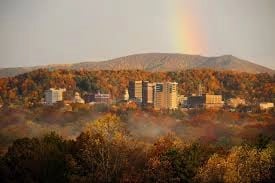 The climate is one of the biggest reasons people relocate to Asheville, NC.
Compared to much of the Southeast, Asheville generally offers:
- cooler summers
- lower humidity
- four distinct seasons
- relatively mild winters
That combination is incredibly appealing for people moving from places with extreme heat or harsh winters.
Now, Asheville does get snow. But compared to much of the Northeast and Midwest, winters here are usually much more manageable.
At the same time, summers tend to be noticeably cooler than many other parts of the Carolinas and the Southeast because of the elevation.
That said, one thing people quickly learn after moving to the mountains is that elevation matters.
Weather can vary dramatically depending on where you live. A mountain home at higher elevation may experience colder temperatures, stronger winds, and more snow than areas lower in the valley.
That’s why understanding elevation, terrain, and accessibility is an important part of buying real estate in Western North Carolina.
4. Asheville Is More About Lifestyle Than Big-City Convenience
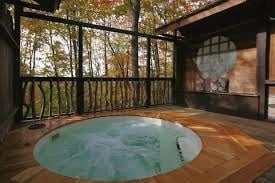 This is one of the most important things to understand before moving to Asheville.
People don’t relocate here because Asheville has the biggest airport, endless nightlife, or every major chain restaurant imaginable.
They move here because they want their day-to-day life to feel different.
Living in Asheville is often more about:
- quality of life
- outdoor access
- creativity
- slower pace
- wellness culture
- community
- natural beauty
There’s a very intentional feel to Asheville.
People here tend to prioritize experiences over hustle culture. They care about local businesses, outdoor recreation, creativity, and lifestyle balance.
And for the right person, that’s exactly what makes Asheville such a special place to live.
But if someone is looking for a fast-paced major metro with endless big-city conveniences, Asheville may feel smaller than expected.
That’s not a negative — it’s simply part of the city’s identity.
5. Asheville Has Distinct Neighborhood Personalities
One thing that makes Asheville real estate unique is how different the various parts of the city feel from one another.
There isn’t just one “Asheville experience.”
For example:
- North Asheville tends to feel more established and historic
- South Asheville offers convenience and newer development
- West Asheville has a more eclectic and arts-focused vibe
- Downtown Asheville is walkable and energetic
- East Asheville often appeals to buyers looking for easier access to hiking and mountain scenery
Even within the same budget, two neighborhoods can offer completely different lifestyles.
Some buyers prioritize walkability and restaurants. Others want acreage, privacy, or mountain views. Some want golf communities or low-maintenance living, while others want a cabin tucked into the mountains.
This is one reason I always encourage relocation buyers to spend time exploring multiple parts of the Asheville area before making a decision.
6. The Surrounding Towns Matter Just As Much As Asheville
One of the biggest surprises for many buyers moving to Western North Carolina is realizing they may actually prefer one of the surrounding towns over Asheville itself.
For example:
- Hendersonville offers a charming downtown and slightly slower pace
- Black Mountain has an incredible small-town mountain feel
- Brevard is known for waterfalls, outdoor recreation, and arts culture
- Fletcher offers convenience and accessibility
- Waynesville delivers more traditional mountain-town character
This is why I always tell people not to lock themselves into one specific location before they’ve had a chance to explore the broader Asheville region.
Sometimes buyers come here convinced they want downtown Asheville, only to fall in love with mountain living outside the city.
Other times, buyers realize they want easier access to restaurants, healthcare, shopping, or the airport than they originally expected.
There’s no “right” answer — it all comes down to lifestyle fit.
7. The Food and Brewery Scene Is Legitimately Exceptional
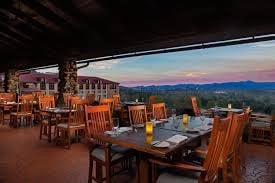 For a mountain city of its size, Asheville’s food scene is honestly impressive.
The city has built a national reputation for:
- craft breweries
- independent restaurants
- coffee shops
- farm-to-table dining
- bakeries
- cocktail bars
- locally owned businesses
And unlike some tourist destinations, locals genuinely support local businesses here.
The brewery scene especially has become a huge part of Asheville’s identity, but the broader food culture goes far beyond beer.
One of the things many people love about living in Asheville is that the city feels creative and independent. You don’t feel surrounded by endless chains and cookie-cutter development in the same way you might in larger suburban areas.
That independent spirit is a huge part of what gives Asheville its personality.
8. Tourism Impacts Daily Life More Than Many Expect
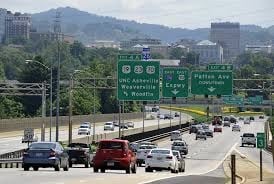 Tourism is a massive part of Asheville’s economy, and overall, that’s a positive thing.
But it’s important to understand that tourism absolutely impacts everyday life here.
During peak seasons — especially fall leaf season — traffic increases significantly. Restaurants become busier. Downtown gets crowded. Parking can become more difficult.
And because Asheville is such a popular destination, there’s a steady flow of visitors throughout much of the year.
For some people, that energy is part of what makes Asheville exciting and vibrant.
For others, especially buyers looking for more peace and quiet, it becomes one reason they gravitate toward surrounding areas like:
- Weaverville
- Brevard
- Waynesville
Again, it really comes back to lifestyle and priorities.
9. Mountain Living Comes With Trade-Offs
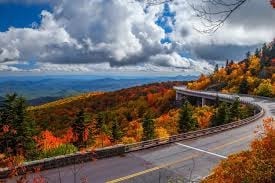 Mountain living is beautiful — but it’s also different.
Many buyers relocating to Asheville from suburban environments are surprised by some of the practical realities that come with mountain properties.
Things like:
- steep driveways
- winding roads
- septic systems
- well water
- terrain challenges
- internet variability
- increased exterior maintenance
None of these are necessarily bad things. In fact, for many people, they’re part of the appeal.
But it’s important to understand the trade-offs.
A home with incredible long-range mountain views may also come with a steep winding driveway or more difficult winter access.
That’s why balancing lifestyle goals with practical realities is such an important part of the home search process in Western North Carolina.
10. Housing Is Expensive Relative to Local Wages
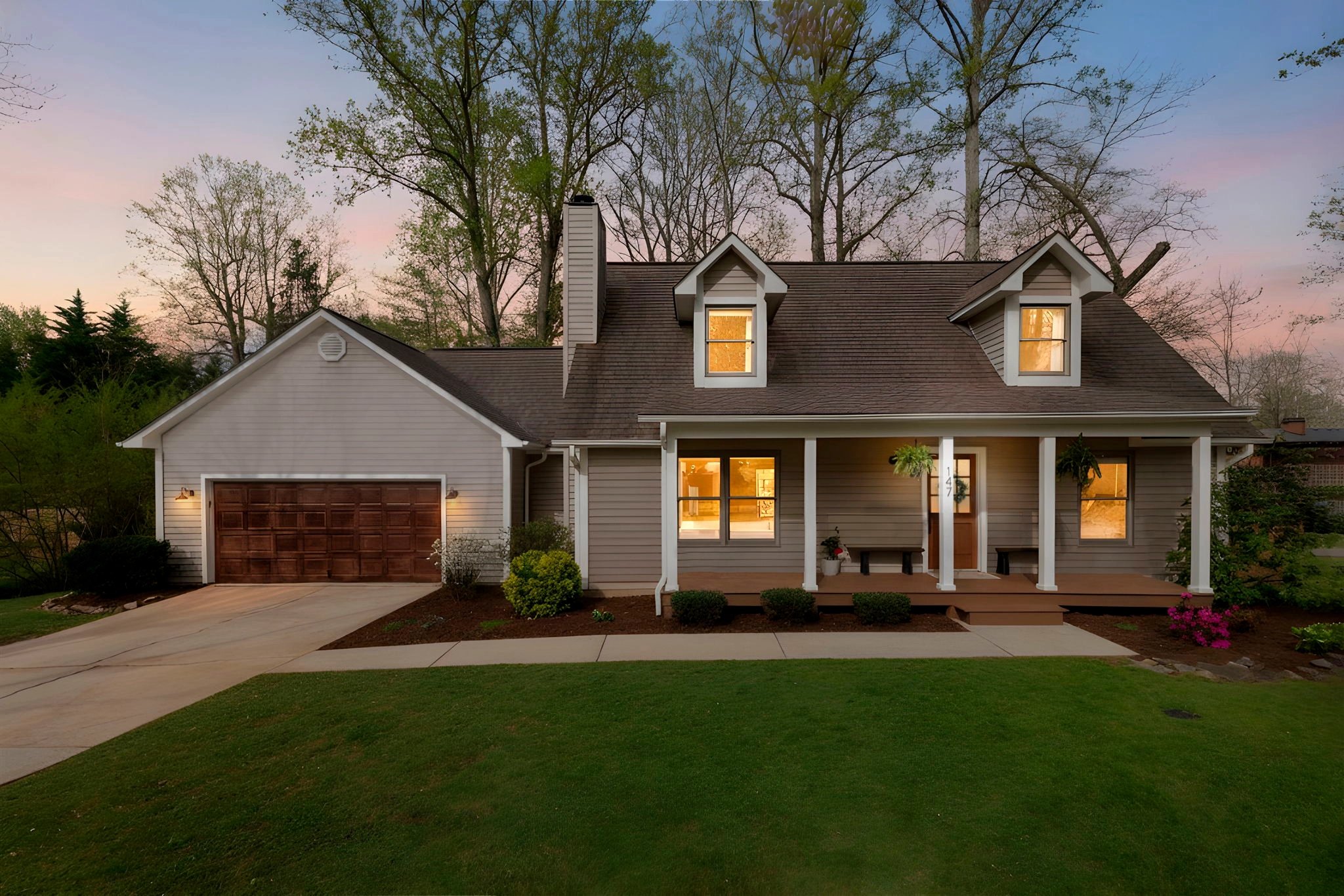 One of the biggest realities of moving to Asheville is understanding the housing market.
Compared to many other parts of North Carolina, Asheville real estate is expensive.
A big reason for that is supply and demand. The mountains naturally limit development, while relocation demand continues to bring buyers into the area from across the country.
That combination has pushed home prices higher over the last several years.
Now, depending on where you’re moving from, Asheville may still feel relatively affordable. Buyers relocating from California, Florida, New York, or other higher-cost markets often feel Asheville offers strong value for the lifestyle.
But relative to local wages in Western North Carolina, affordability can absolutely be a challenge.
Another important thing buyers should understand is that there are really two housing markets happening at the same time.
Well-priced, move-in-ready homes in desirable locations can still move quickly. Meanwhile, overpriced homes or properties needing significant updates may sit on the market much longer.
That’s why understanding neighborhoods, pricing trends, and lifestyle fit matters so much when buying a home in Asheville.
Final Thoughts on Moving to Asheville, NC
If you’re considering moving to Asheville or anywhere in Western North Carolina, my biggest advice is this: spend time exploring the region with an open mind.
Sometimes the place people think they want ends up being very different from where they ultimately feel most at home.
I help buyers navigate the Asheville market every day — from understanding neighborhoods and surrounding towns to helping people match their lifestyle goals with the right property and location. So if you’re thinking about making the move and you’d like real, local expertise in your corner, I’d love to connect.
-Justin Grogan, Realtor and Asheville Real Estate Advisor